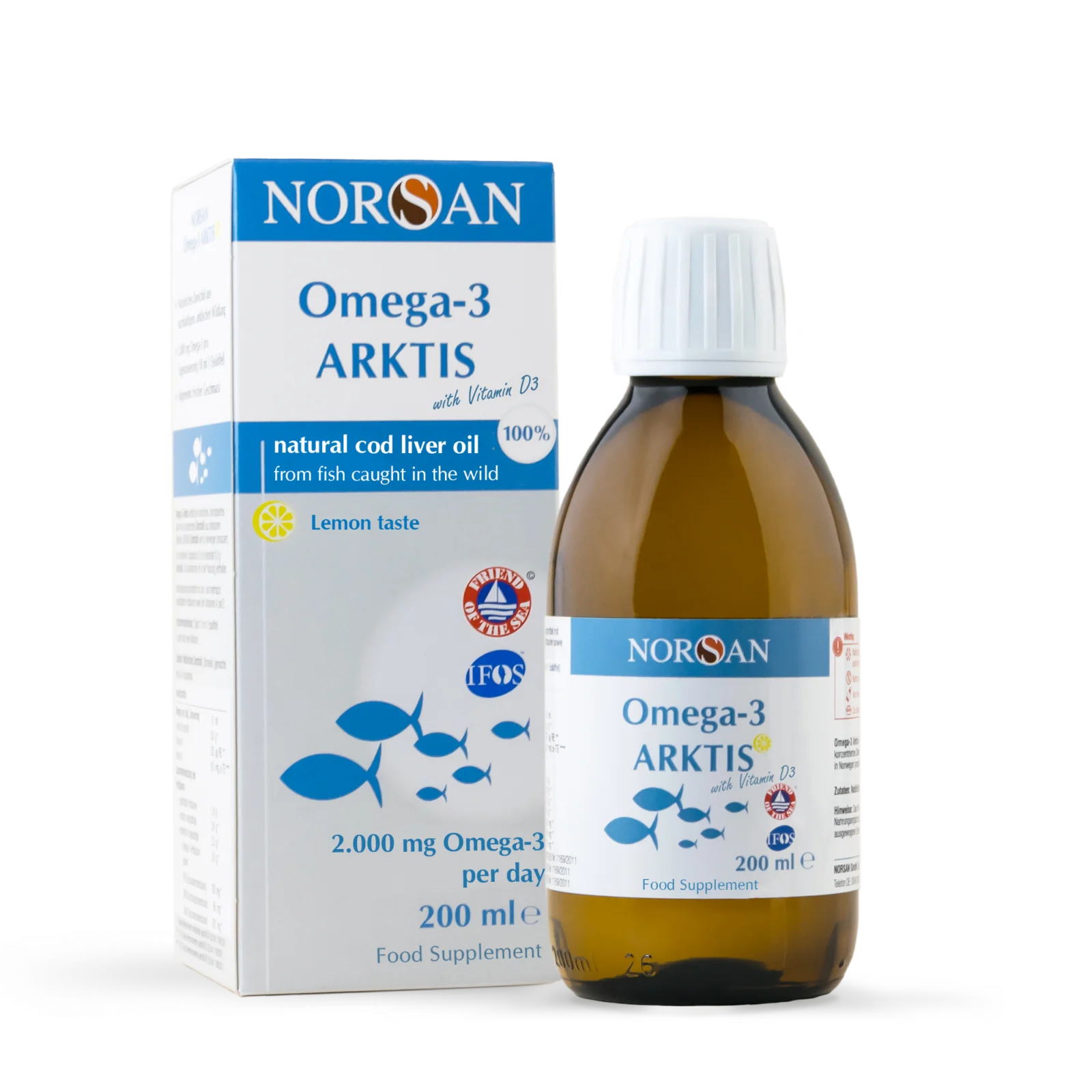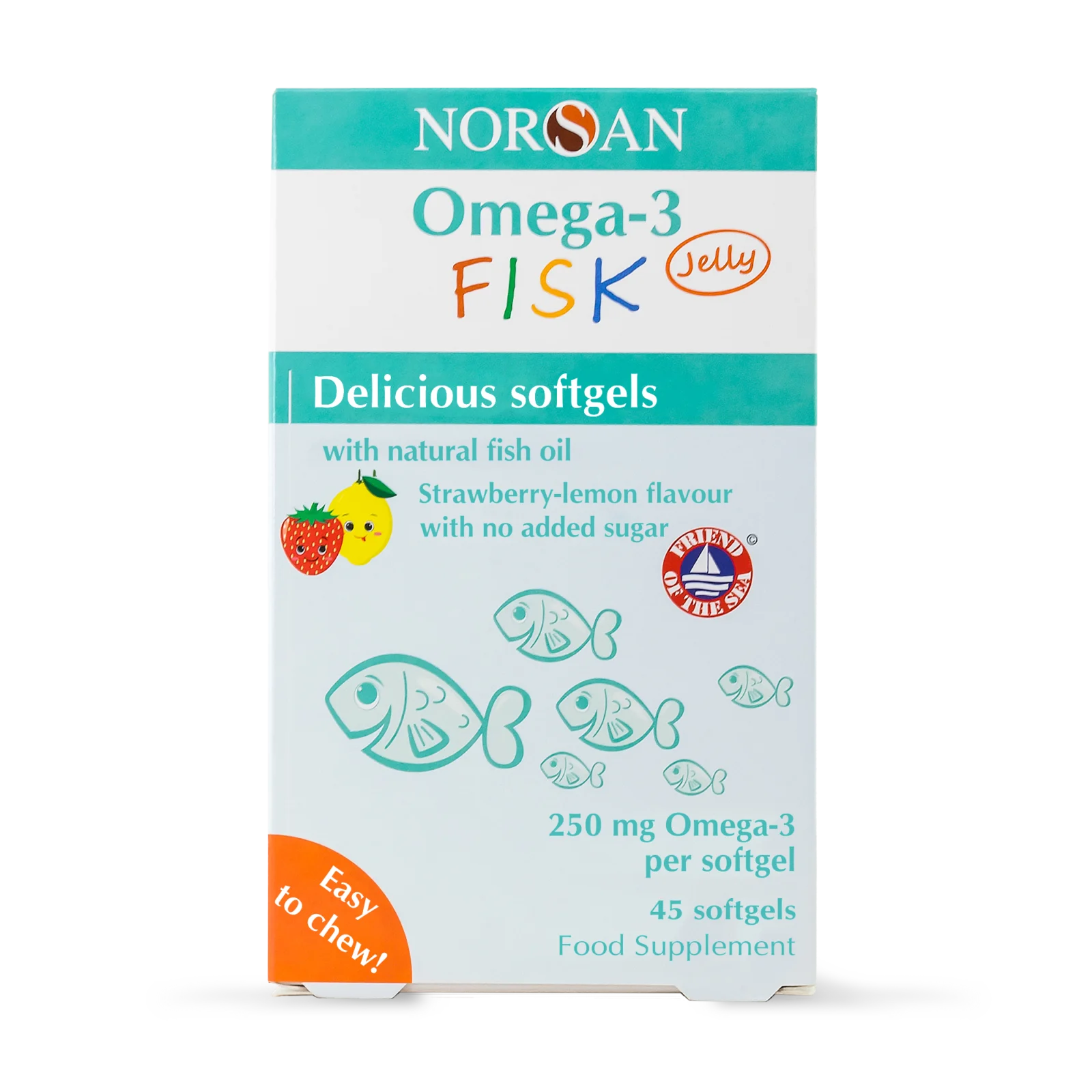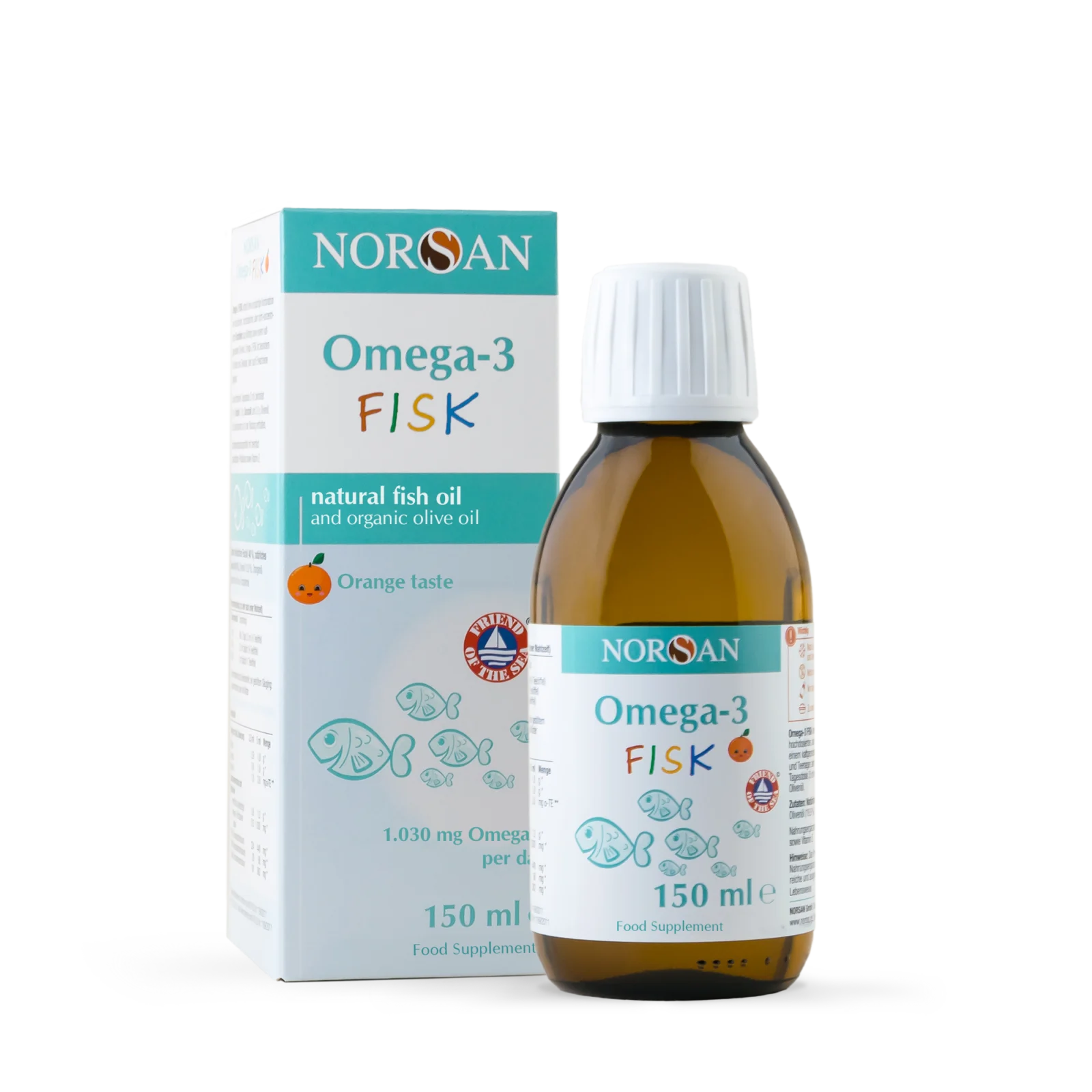
NORSAN fish oil
100% natural wild-caught fish oil
The sources of our NORSAN fish oil are carefully selected based on the following core criteria:
- Fishing method, sustainability and fishing area
- Extraction and purification of the fish oil
- Particularly advantageous analytical parameters such as TOTOX value, heavy metals and PCBs
Our team brings together more than 30 years of industry experience, which we use to manufacture the best products. Our sourcing process begins with the selection of fish catches and suppliers that meet our rigorous safety standards and guarantee full transparency across the entire supply chain.
The NORSAN fish oil can be considered the best omega-3 oil for therapeutic purposes. The reason is the oil’s exceptionally high-quality omega-3 content:
- High proportion of omega-3 fatty acids (up to 35%)
- A particularly high proportion of omega-3 EPA and a ratio of at least 2:1 compared to omega-3 DHA
To ensure that our NORSAN fish oil meets the high standards for quality and properties, we adhere to strict fishing standards—verified and certified by independent organizations such as IFOS and Friend of the Sea—and prioritize the use of small fish such as mackerel, anchovies, and sardines.

Natural fish oil from wild-caught fish
“The best food is as natural as possible.” Guided by this principle, we always—without exception—use the natural fish oil complex derived from fish and never chemically modified fish oil concentrates. This natural fish oil complex contains a high proportion of up to 35% of valuable omega-3 fatty acids.
A natural fish oil such as NORSAN’s fish oil contains a broad spectrum of up to 50 different fatty acids. In a concentrated fish oil product, this natural composition is disrupted, and instead, one obtains concentrated amounts of selected fatty acids. Little is yet known about how the (processed) concentrated oil behaves in the body after consumption. To achieve benefits similar to those of eating fatty fish, natural, non-concentrated products are recommended.

Sustainability and quality
NORSAN fish oil is FOS certified and is obtained from fish that come from waters that are certified by FOS as sustainable. The FOS criteria include:
- Oils are sourced from fish stocks that are not overfished.
- Avoidance of fishing practices involving the by-catch of endangered species.
- Reduction of fishing practices that have an negative impact on the ecosystem.
- The fishery and oil extraction are energy efficient.
- Practices adhere to high standards of social responsibility.
We appreciate the fact that we can harvest the high-quality raw materials from the sea. And we are mindful of our responsibility towards the sea in this role. That is why we consider sustainability and the preservation of fish stocks to be the top criteria when selecting the oil. We work according to strict ethical and formal rules.
Extraction and purification
The raw oil is obtained by gently heating and pressing the fish. The application of heat is unfortunately inevitable in this step. Nevertheless, in combination with vacuum pressure, the fatty acids are preserved in their natural form.
An oxygen-free processing environment is guaranteed for NORSAN fish oil, so that our oil is optimally protected against oxidation. Oxidation causes a fishy odour and has an unpleasant effect on the taste. The TOTOX value – the oxidation value or “freshness” value of the oil (the lower, the fresher) – is mostly in the low ranges of 10 to 13, which confirms the freshness of the oil. Read more about the TOTOX value of our products here.
As the marine habitat is unfortunately increasingly being contaminated by heavy metals and chemicals, its inhabitants also take in these pollutants through their diet. For this reason, it is necessary to carefully cleanse the raw fish oil and remove any potential harmful substances.
For this purpose, we use a modern facility in Norway, which in a unique way ensures the filtration and purification of heavy metals, pollutants and PCBs from the oil and at the same time maintains the qualities of the fish oil. The special refining process relies on effective and unique 3-fold cleaning process during the first 3 steps.
While the usual procedures in the industry only rely on a rough cleaning in 2 steps, we also carry out a special micro-distillation in which remaining pollutants are precisely filtered out.

Why is a high EPA content important?
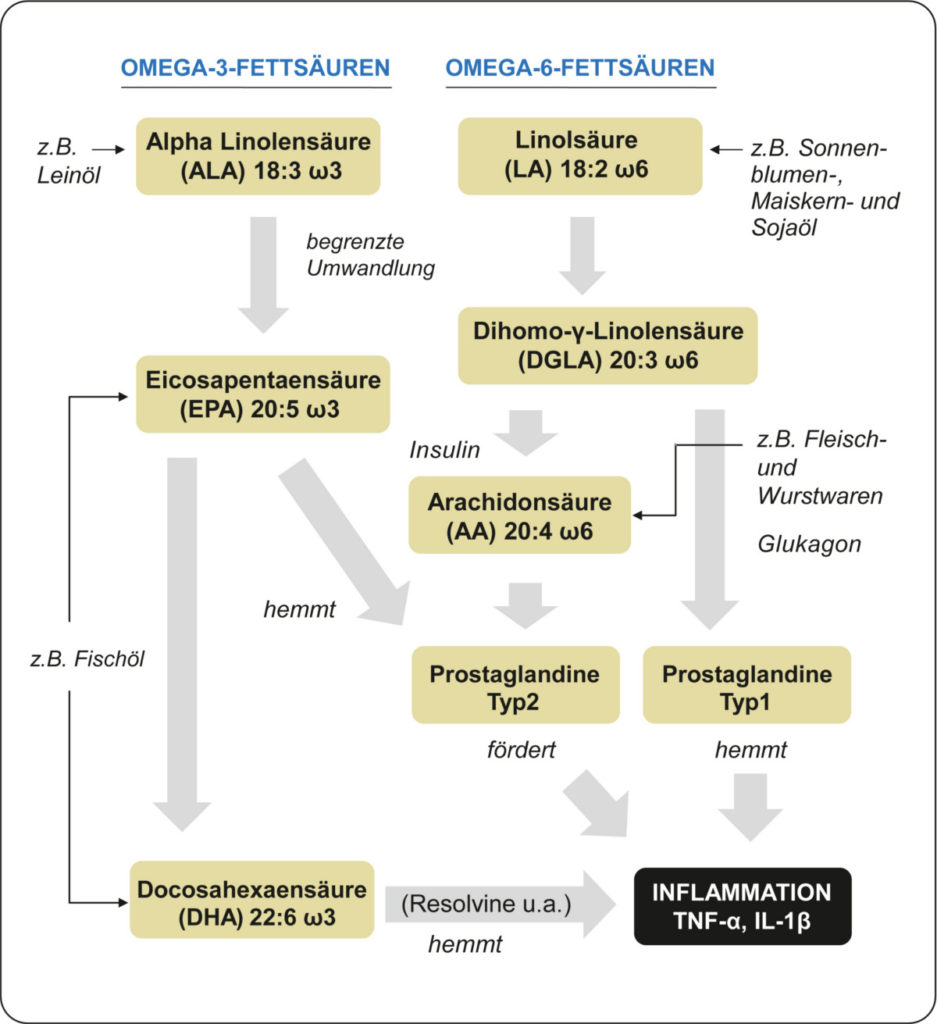
Omega-3 EPA fatty acids play a key role in regulating inflammatory processes in the body.
- Omega-3 EPA fatty acids serve as the precursor for the anti-inflammatory hormone prostaglandin type 3 (PGE3). As an eicosanoid, this hormone acts as the antagonist to the pro-inflammatory hormone prostaglandin type 2 (PGE2), for which the omega-6 fatty acid (arachidonic acid) serves as the precursor. In this way, EPA counteracts the pro-inflammatory effects of PGE2 derived from arachidonic acid. Side note: Aspirin also targets the symptoms of PGE2.
- EPA can be converted into DHA. This fatty acid also has anti-inflammatory functions.
- A high level of omega-3 EPA in the body inhibits the conversion capacity for omega-6 fatty acids (omega-3 and omega-6 share conversion capacity in the body). This indirect effect thus inhibits the formation of omega-6 arachidonic acid in the body.
The ratio of EPA to DHA in total omega-3 is approximately 2:1. This has proven effective in balancing an omega-6/3 imbalance in the body (based on more than 3,000 individual fatty acid analyses in Germany).
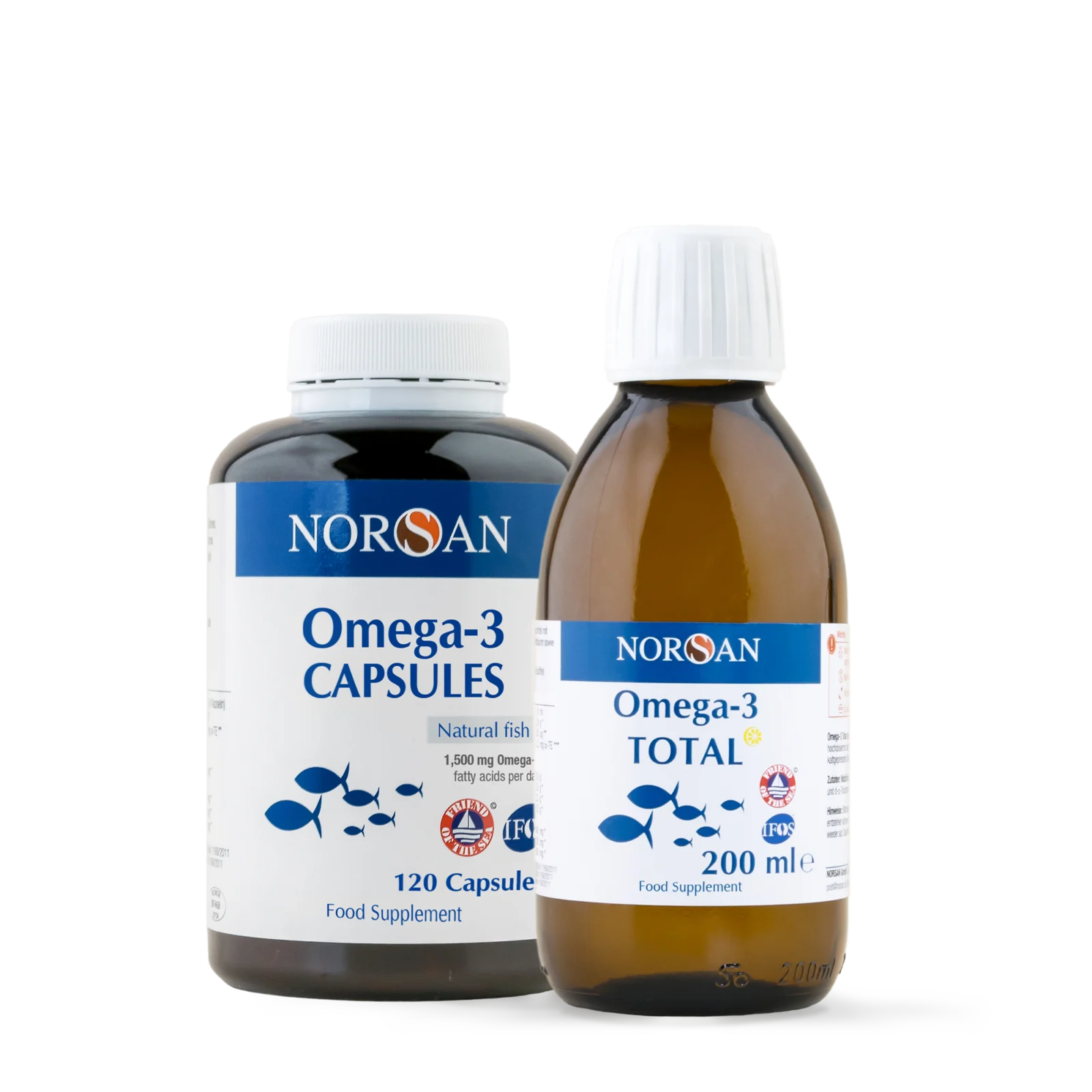
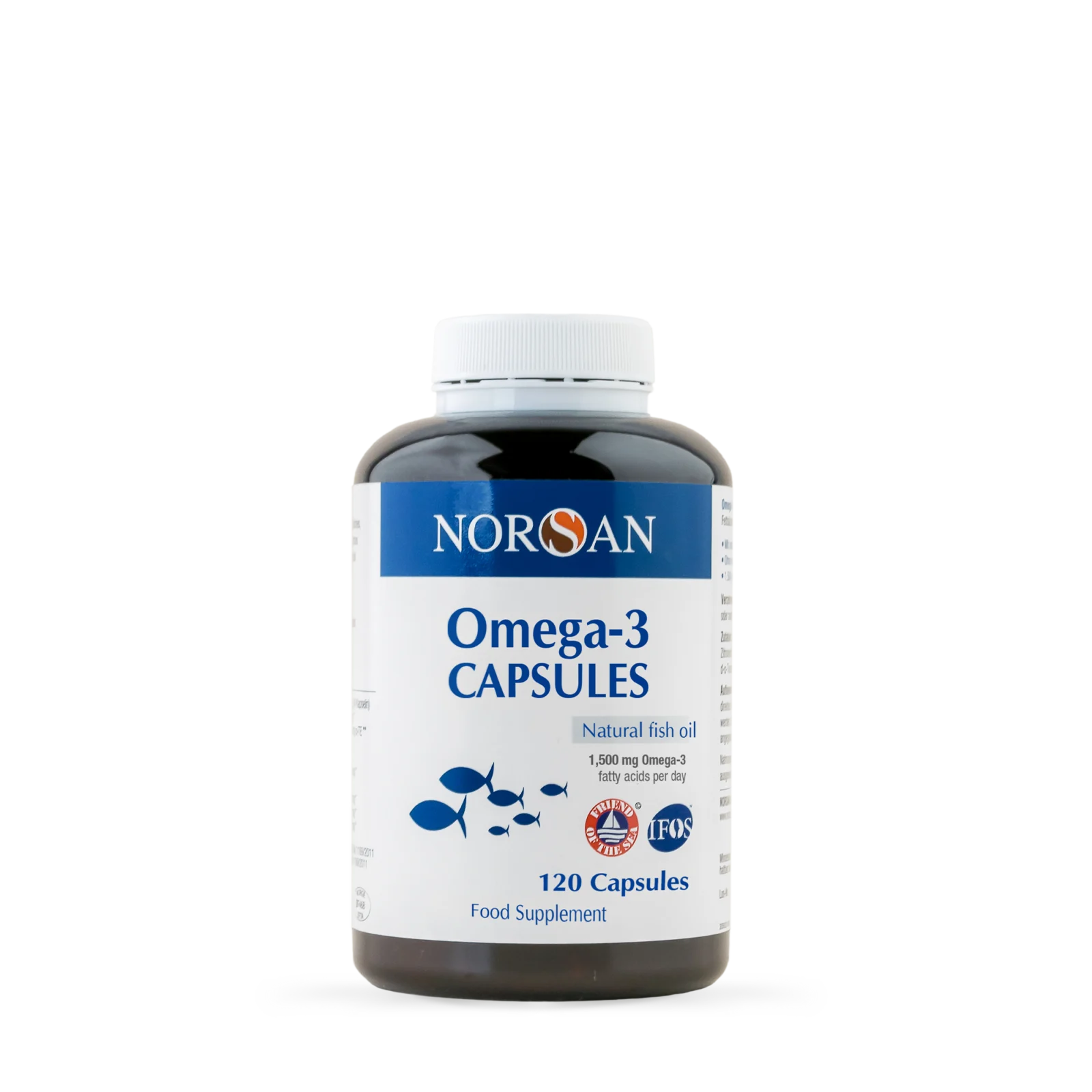
Omega-3 Total Capsules
(£16.97/100 g)
Beneficial for the heart, eyes and brain
- Natural wild-caught fish oil from sustainable fisheries
- 1,500 mg of omega-3 per daily dose (4 capsules)
- High EPA content
- No reflux
- Cleared of pollutants, PCBs and heavy metals
- Rosemary extract as an antioxidant
- Perfect for travelling
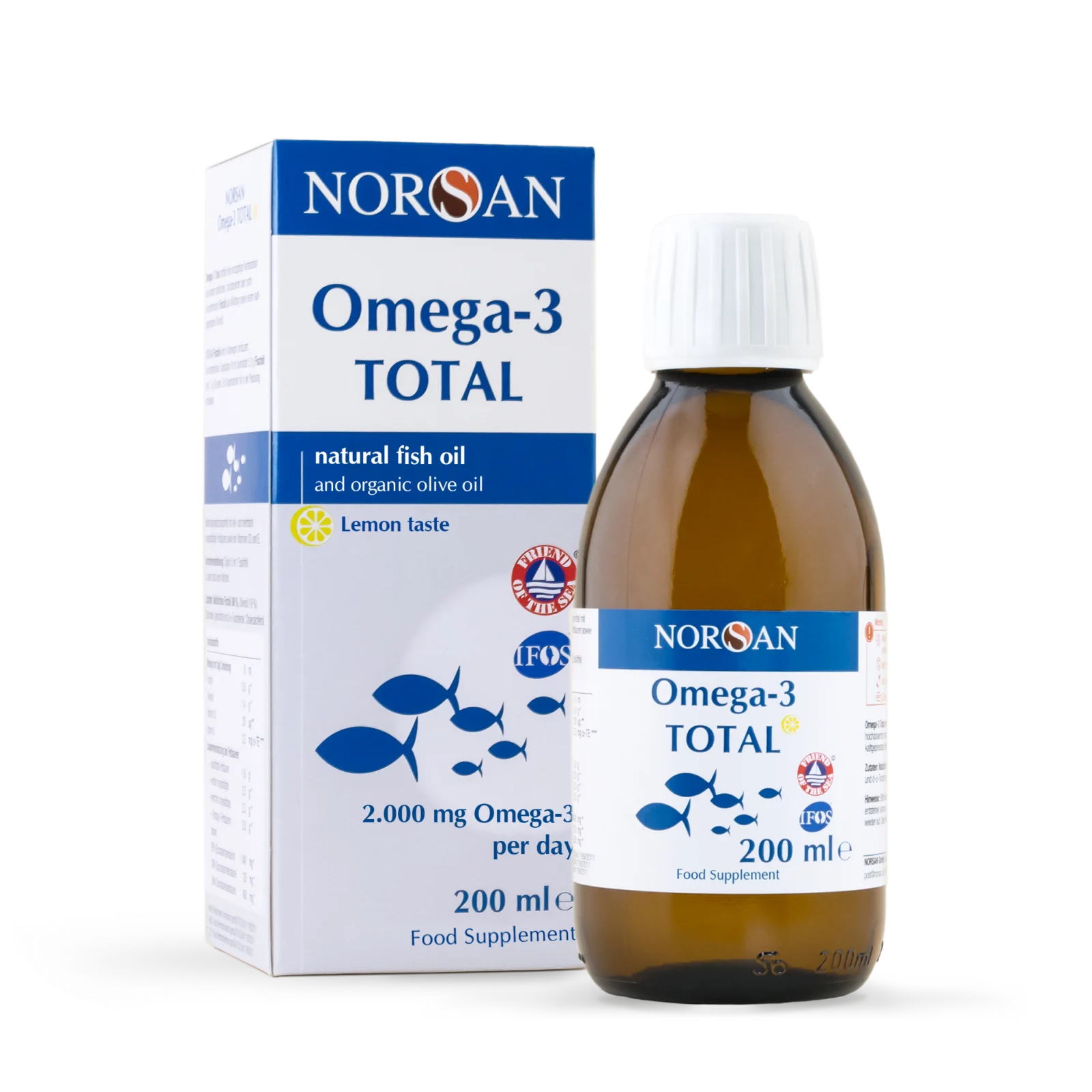
Omega-3 Total Oil
(£13/100 ml)
Beneficial for heart, vision and brain
- Natural wild-caught fish oil from sustainable fisheries
- 2,000 mg of omega-3 per daily dose (1 tablespoon)
- High EPA content
- 100% natural – not concentrated
- Cold-pressed organic olive oil as antioxidant
- Vitamin D3 (800 IU)
- Pleasant flavour: lemon or natural
- Cleared of pollutants, PCBs and heavy metals
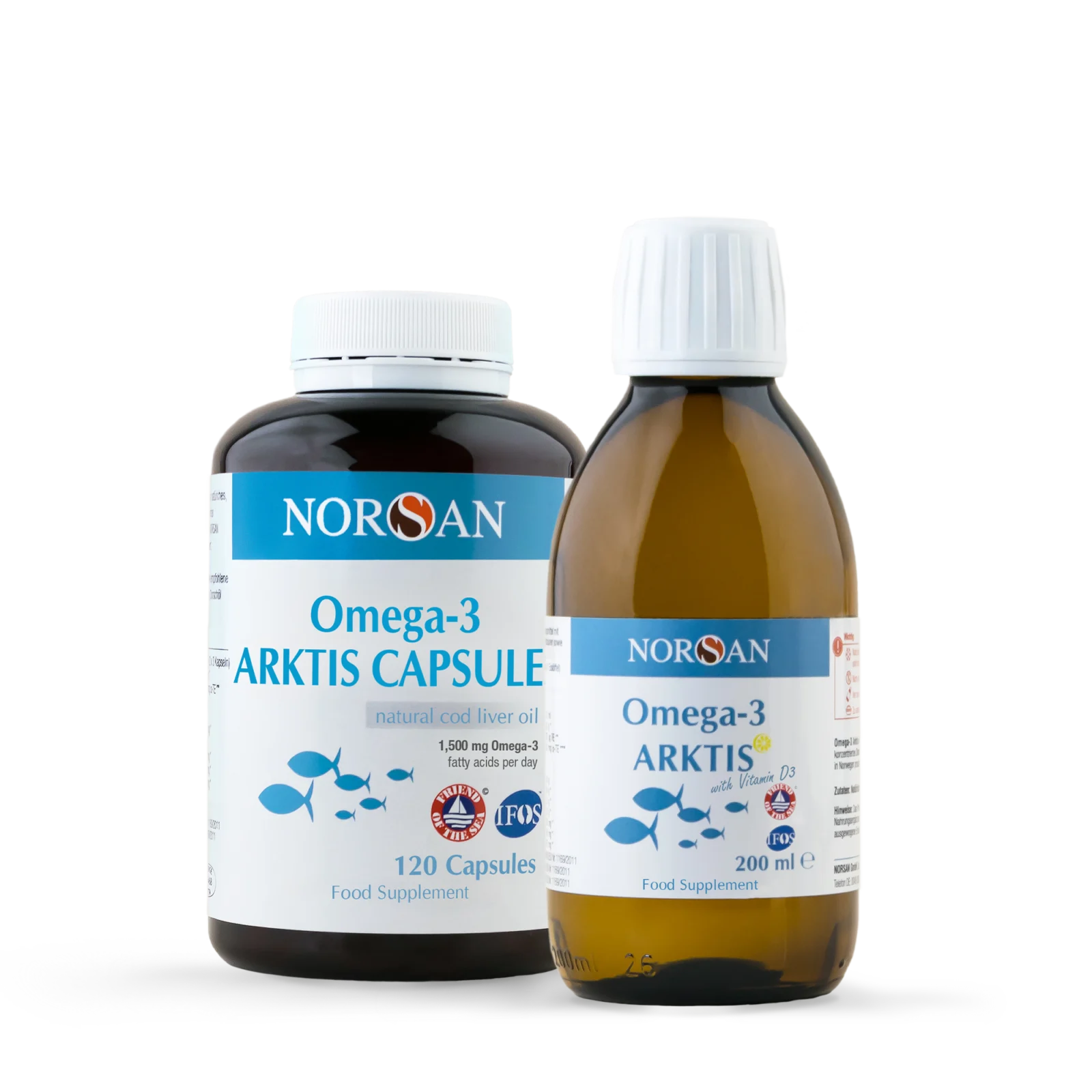
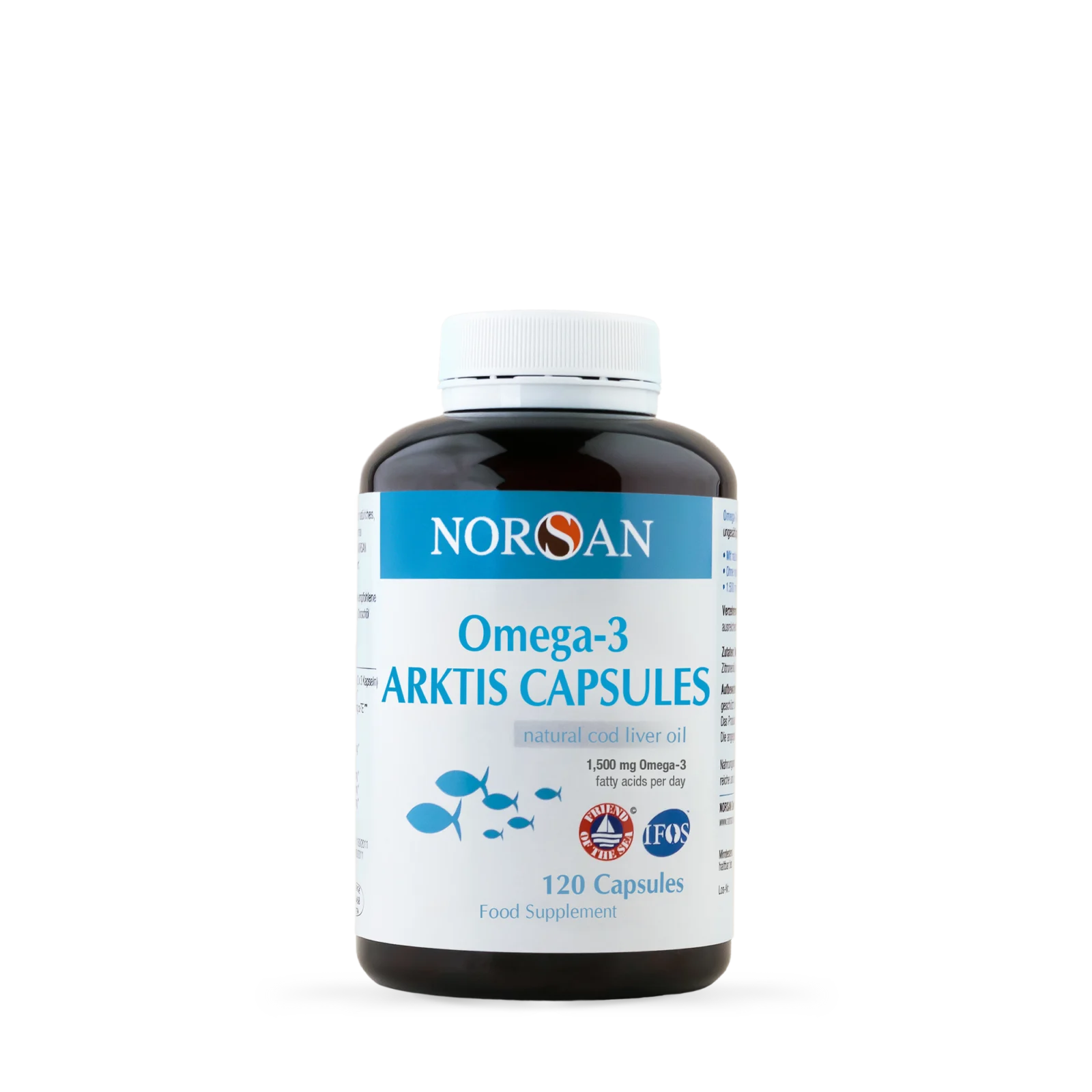
Omega-3 Arktis Capsules
- 100% natural cod liver oil from a wild and sustainable Arctic fishery
- 1,500mg of omega-3 per daily dose (2 x 3 capsules)
- High DHA content
- No reflux
- Purified and free of pollutants, heavy metals and PCBs
- Rosemary extract as an antioxidant
- Perfect for travelling